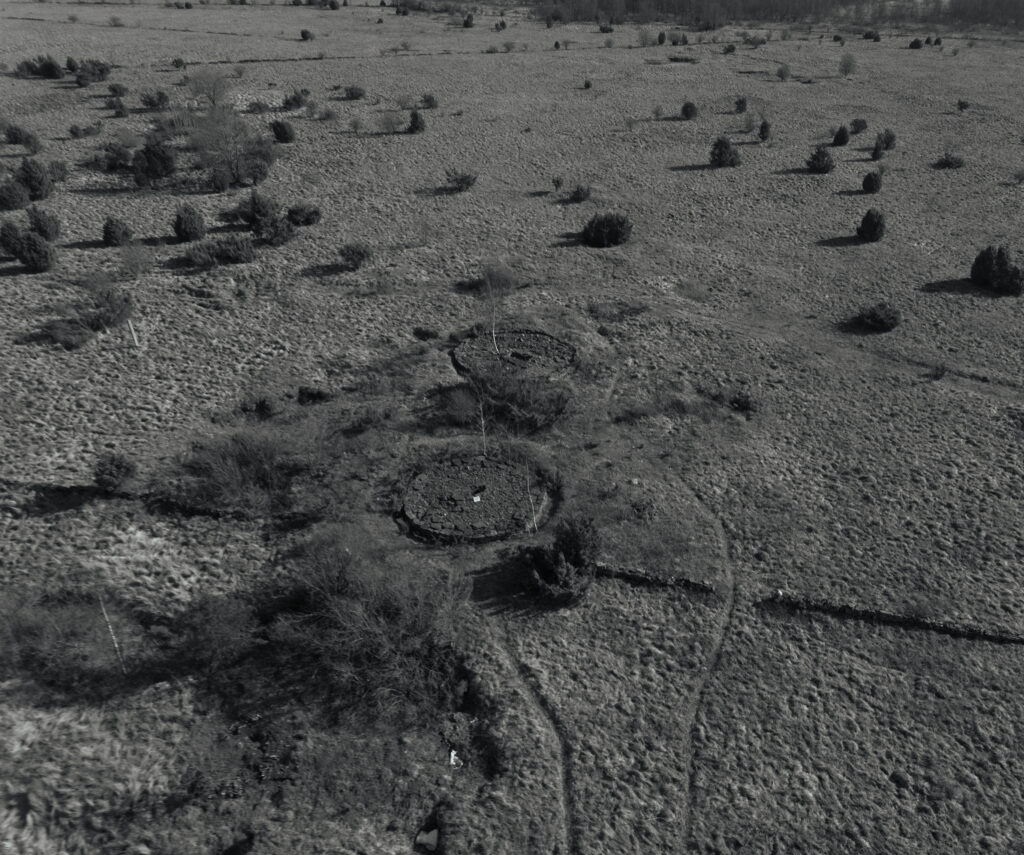
Hidden within the peaceful countryside of Rebala Heritage Reserve lies one of the most fascinating archaeological landscapes in Estonia. The site known as Rebala Lastekangrud invites visitors to step into a world that existed thousands of years ago. Surrounded by quiet fields, rolling terrain, and a gently flowing river, the location carries an atmosphere that feels both ancient and alive.
For photographers, hikers, and history enthusiasts, Rebala offers a rare combination of cultural heritage, nature, and mystery.
Origins and History of the Lastekangrud
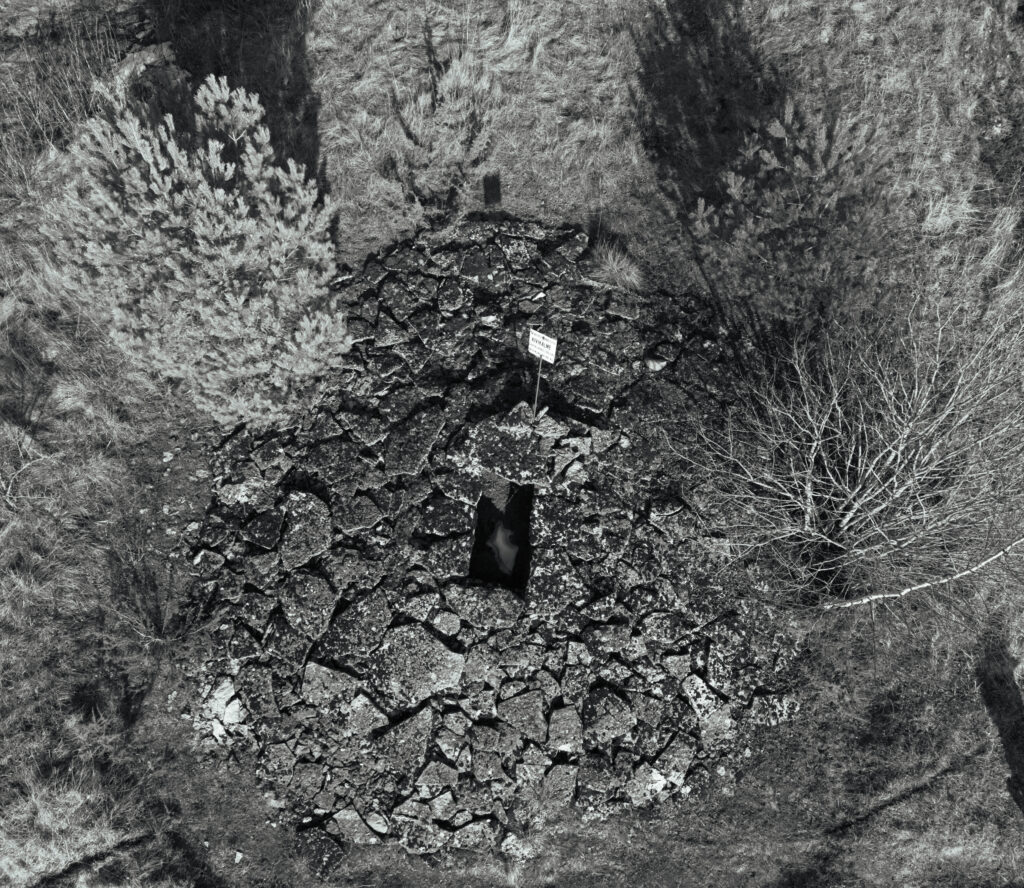
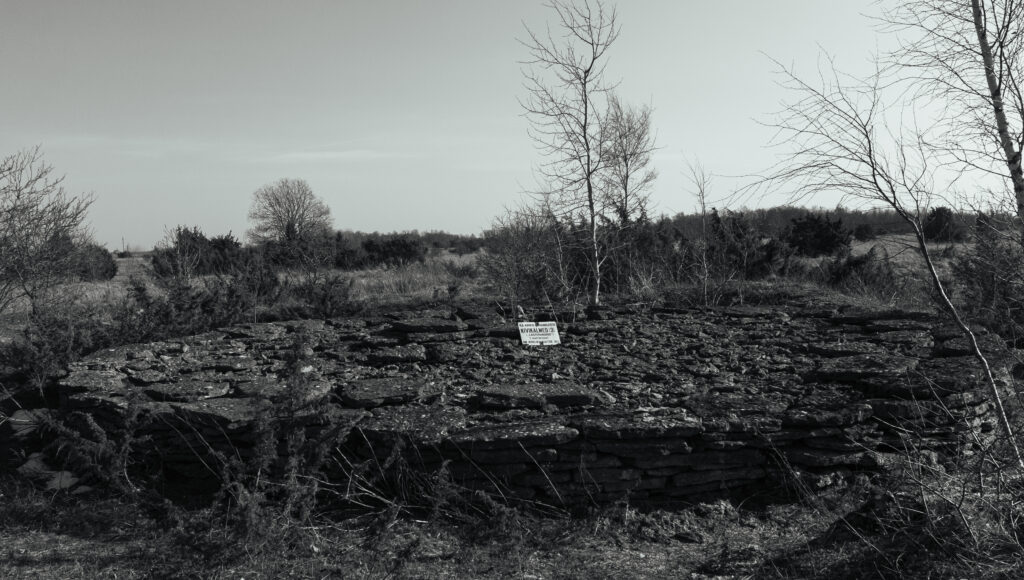
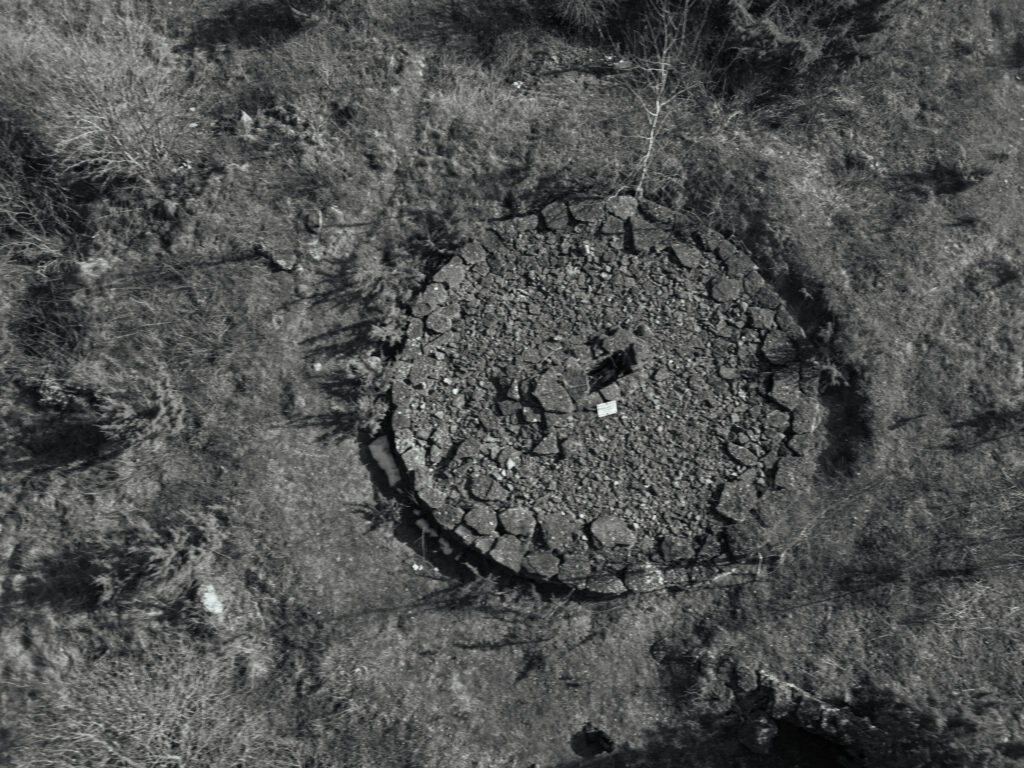
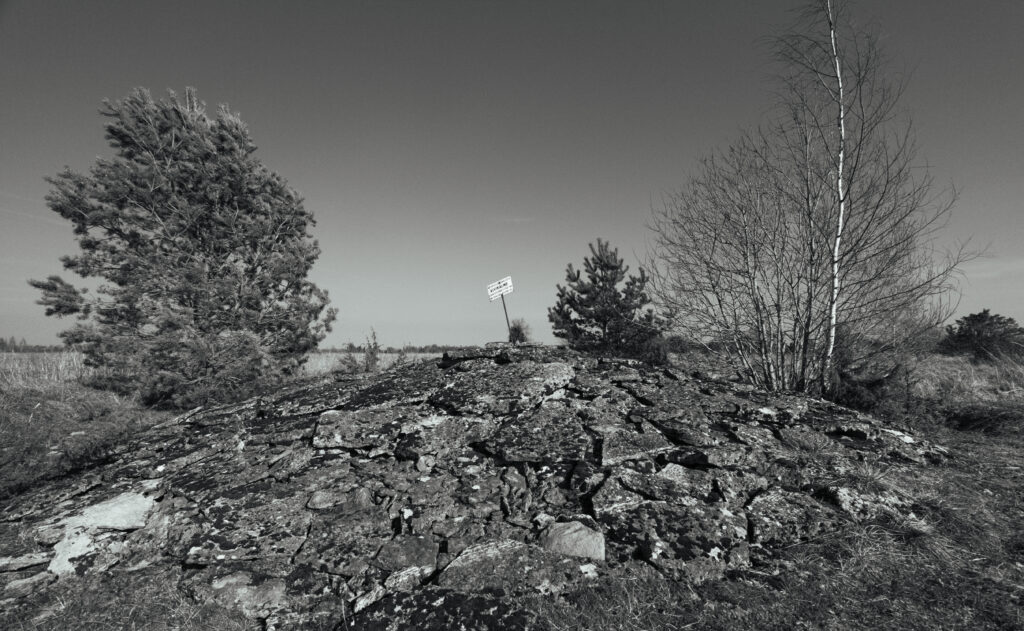
The stone graves known as lastekangrud date back to the Bronze Age and early Iron Age, roughly 3000 years ago. These graves were constructed by carefully piling stones into round or oval mounds. Beneath these stones the remains of the deceased were placed, often together with objects that were meaningful in their lives.
The name lastekangrud translates roughly to children’s cairns. However, historians believe the name likely emerged much later through folklore and local storytelling. In reality these graves were burial places for members of ancient communities that lived in the coastal areas of northern Estonia.
Archaeologists have discovered that the people buried here were part of early farming and fishing societies that settled near the Baltic Sea. The location was ideal because of fertile land, nearby water sources, and access to the coast. These ancient communities built their burial sites in visible locations so that the memory of their ancestors remained present in the landscape.
Why These Stone Graves Were Important
In ancient societies burial places were far more than simple resting places for the dead. They were symbols of community identity, territory, and continuity between generations.
The stone graves of Rebala likely served several purposes. They honored the dead, they marked the presence of the community in the landscape, and they connected the living with their ancestors. Over time these cairns became sacred places that reminded people of their origins and traditions.
Standing among the stones today it is easy to imagine how powerful these places must have felt for the people who built them. The wide open surroundings, the distant views, and the sense of permanence created by the stone structures all contribute to that feeling.
A Cultural Treasure Nearly Lost
During the Soviet period many historical sites across Estonia were threatened by industrial expansion, agriculture, and construction. The Rebala region was not spared from these pressures.
Plans were made that could have destroyed large parts of the archaeological landscape. Industrial development and mining activities were considered for the area, and many feared that the ancient graves might disappear beneath modern infrastructure.
Fortunately local historians, archaeologists, and cultural activists worked to protect the site. Their efforts eventually helped preserve the area and led to the creation of the protected Rebala Heritage Reserve.
Because of this protection the lastekangrud survived and remain visible today. The survival of these ancient graves is a powerful reminder of how fragile cultural heritage can be, and how important it is to protect it.
A Landscape Full of Life
One of the most memorable aspects of visiting Rebala is the surrounding landscape. The terrain is open yet varied, with gentle hills, patches of forest, and a river that quietly winds through the countryside.
This mixture of habitats attracts a surprising amount of wildlife. During my visit one of the most striking things was the presence of ravens. Several of them circled above the landscape, their deep calls echoing across the fields. Ravens have always carried strong symbolism in northern cultures, often associated with wisdom, mystery, and the spirit world.
Seeing them flying above ancient burial grounds felt strangely fitting, as if they were guardians of the past watching over the stones below.
For photographers the setting offers beautiful compositions throughout the seasons. The soft light of early morning or late evening highlights the texture of the stones, while mist or snow can add an almost mythical atmosphere to the scene.

The nearby river adds another layer of beauty to the location. Flowing calmly through the landscape, it creates reflections, movement, and a sense of tranquility. The river corridor also supports plant life, birds, and insects that enrich the ecosystem around the ancient graves.
Combined with the open fields and distant tree lines, the scenery feels both natural and historic. It is the type of place where nature and human history exist side by side without competing with each other.
Walking through the area gives a sense that the landscape itself has changed very little over thousands of years.
Rebala Today and the Future Ahead
Today the lastekangrud are an important part of Estonia’s cultural heritage. Visitors can explore the area freely and experience a direct connection with ancient history. Informational signs and preserved structures help people understand the significance of the site while still allowing the landscape to remain natural and quiet.
The future of the area will depend on continued protection and responsible tourism. As more people discover places like Rebala through photography, hiking, and cultural travel, awareness of these sites continues to grow.
That awareness is essential. Ancient landscapes like this are irreplaceable. Once destroyed they can never truly be recreated.
Fortunately the survival of the lastekangrud shows that preservation is possible when communities value their heritage.
Rebala Lastekangrud is more than an archaeological site. It is a place where thousands of years of history remain visible in the landscape.
Standing among the stone graves, watching ravens circle above, and listening to the quiet flow of the nearby river creates a rare feeling of connection with the past. It reminds visitors that long before modern cities and technology, people lived, worked, and honored their ancestors in these same fields.
And thanks to those who fought to protect it, this remarkable place continues to tell its story today.